
Decoding ISO 3632 Without Mysticism
A collector's plain-language guide to reading Crocin, Picrocrocin, and Safranal laboratory values—and what they do and do not establish.
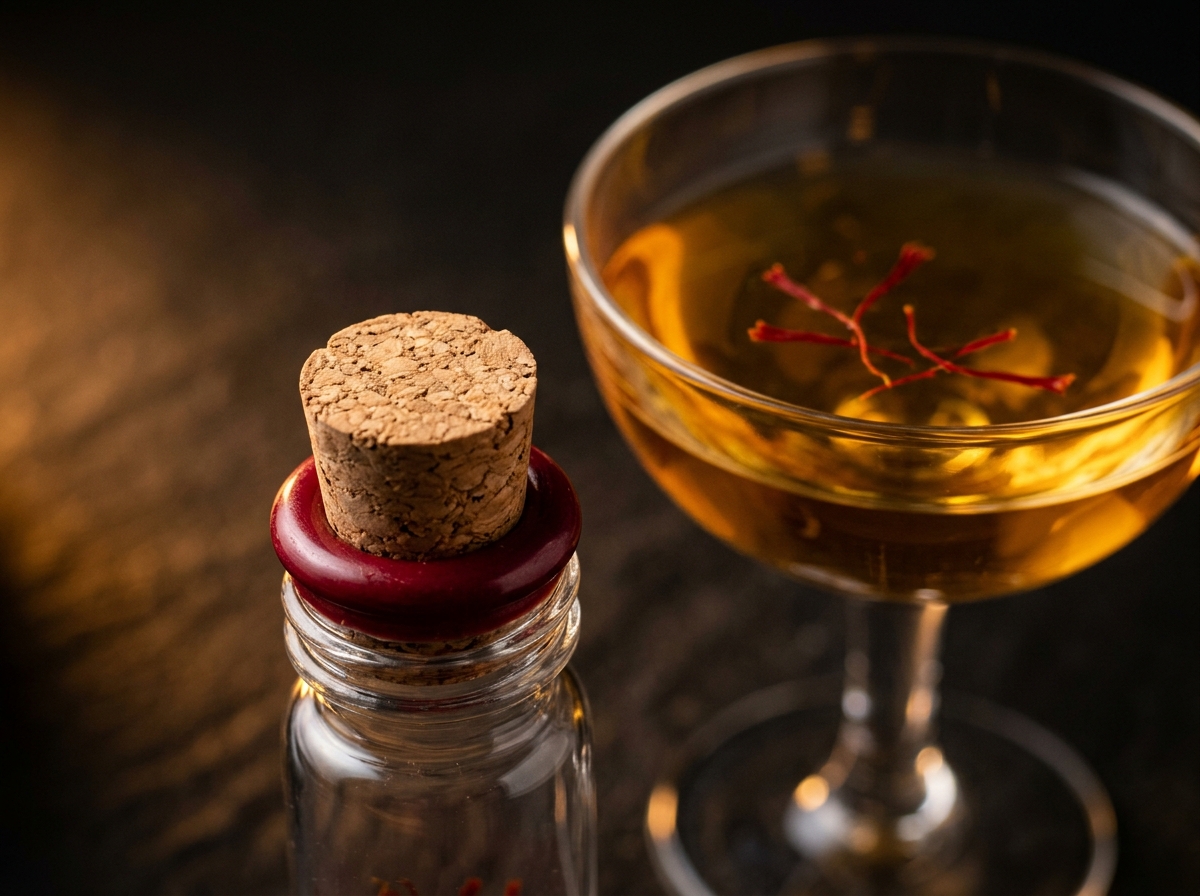
Luxury spices are too often sold behind vague superlatives. Under ISO 3632-2 laboratory spectrophotometry, an aqueous infusion of saffron is measured at three exact wavelengths:
1. Crocin (440 nm) measures golden-amber colouring strength (Category I requires >= 200). 2. Picrocrocin (257 nm) measures the noble culinary bitterness that anchors savoury dishes (Category I requires >= 70). 3. Safranal (330 nm) measures volatile honeyed-hay aroma.
Crucially, ZAFORA pairs spectrophotometry with targeted HPLC synthetic-dye screening to verify that high absorbance comes solely from natural crocin rather than illicit colourants. Yet honesty requires stating boundaries clearly: an ISO 3632 lab report proves physical quality and dye absence for that specific lot—it does not constitute organic farming certification or medical efficacy.
Inspect Batch ZAF-KS-2026-014 or Acquire Signature 1.00 g Coffret
Why harvest timing on the 1,600-meter karewa plateaus protects volatile safranal before the Himalayan sun rises.
Visualizing 480 crimson strands—how to bloom saffron at 70°C and why a single gram flavours twenty-five memorable tables.
Five objective physical, chemical, and ISO 3632 tests to distinguish genuine Pampore Mongra saffron from dyed corn silk, safflower, and sugar-weighted threads.
Why Pampore's 1,610-meter Himalayan karewa alluvium produces thicker crimson stigmas and higher per-strand Crocin potency than lowland commercial saffron.